- Equity Mates: Get Started
- Posts
- 🌱 The Radiographer Who X-Rayed Her Finances
🌱 The Radiographer Who X-Rayed Her Finances
In the latest instalment of 'How I Got Started'

Equity Mates
April 21, 2026


Get Started Snapshot
Name: Phoebe ‘The Free Parking Philosopher’ Coop
Age: 32
Hometown & current home: Melbourne, currently in Sydney
Profession: Radiographer
Favourite book: Pride and Prejudice
Most extravagant purchase: 5 sets of long haul flights last year – big year of adventure!
Favourite money-saving hack: I hate paying for ubers and parking…. Bus or walk, or drive around and around to find a free spot.
What was your relationship with money like growing up?
We always had enough for whatever was needed and we never went without, but I was always aware of Mum and Dad both working hard to make sure the household kept rolling.
I didn’t study finance in school or at university, so I just knew that money comes in and money goes out. I have always been good at saving towards a goal, which allowed me to buy my first apartment when I was 22, however I found it really stressful! I only became really interested in getting more strategic and in control of my finances in my mid-twenties.

Phoebe after buying her first apartment!
What was your first job? (And how much did you get paid?)
Waitressing in a café for $15 an hour – turns out I’m a terrible waitress so it didn’t last long!
How did you first come across investing?
“Compound interest” was first thrown around whilst chatting to colleagues when I was living abroad in the UK, then found out it’s quite a known thing in Australia too! From there I began listening to podcasts to get a better understanding of personal finance and investing.

Phoebe the month she started investing in 2021 - listening to a podcast!
Was there a memorable early investment?
The first beginnings were quite boring, Telstra which kind of sat there and paid a little dividend, which was exciting but wore off, then Bank of Queensland which lost about 40% over six months or so – then I realised I needed to learn a bit about ETFs rather than throwing needles into a haystack! Westpac was a good one though, it doubled since I bought it in 2022. A good lesson in ‘you win some, you lose some’.

How are you currently investing and can you provide a breakdown of your portfolio?
I’m currently only dollar cost averaging into 3 ETFs – VAS, VEU and IVV, to create a larger core. The rest of my investments are existing and I re-invest the dividends, and top-up where necessary to help keep the percentages steady. I’m using round-ups to build another small income position through AYLD to become a similar percentage to CRED. I’m also tipping more into Pro Medicus when I have a few spare bucks each week!

Where do you see investing taking you?
Investing will buy me options – ideally it replaces my income so that I either have double income (cool!), or can choose to do different things with my time. I’m hoping to have a family one day, so my second income may pay for some private school fees or allow me to spend more time with my family. Or both? If that fails – more time to go sailing, travelling, exploring the world.

If you only had 25 words to convince someone to invest, what would you say?
Aussie salaries are pretty good, but is it enough? It’s a great way to hedge your bets, just in case.
We want to hear your ‘How I Got Started’ stories. Respond to this email if you would like to be featured and we’ll get in touch!
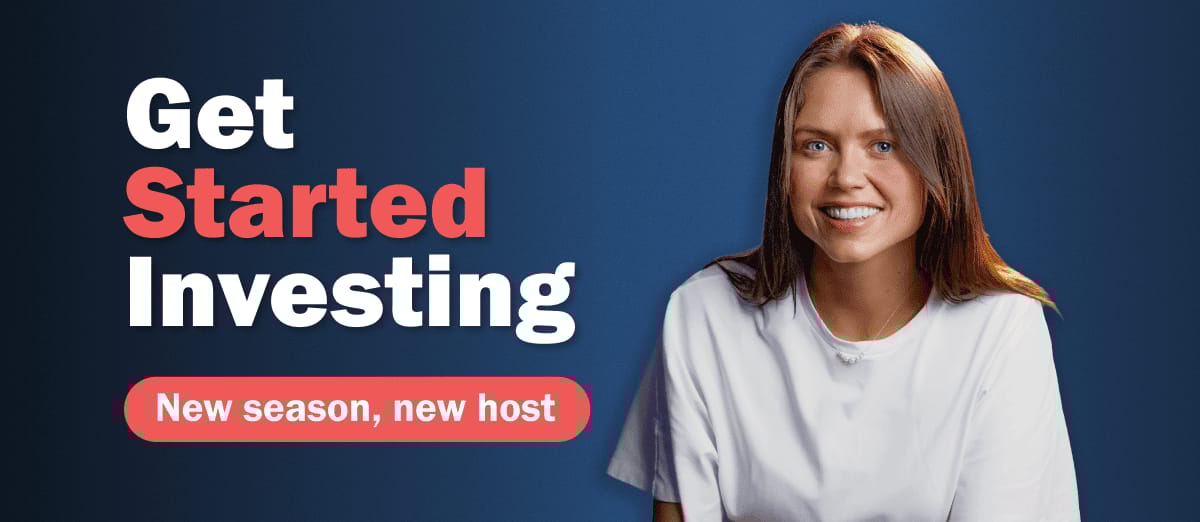
Be sure to catch Phoebe as she joins Jess in the second half of latest episode of Get Started Investing. The pair chat how she went from money chaos to being in control of her finances.
If you’ve been delaying investing or have someone in your life who wants to, this is the sign to start and go on the journey with Jess. (Spotify | Apple | YouTube)
Are you ready to get started on your investing journey?
With Betashares Direct, invest with $0 brokerage in all ASX ETFs and 500+ shares traded on the ASX. Build your own portfolio or choose from our range of Managed Portfolios. Click the image below to learn more.
Comparing ETFs in under 10 minutes - VHY & VAS
Phoebe is invested in lots of different ETFs. For beginners the sheer volume of ETFs available can feel overwhelming. We broke down how to compare different ETFs quickly and efficiently in a recent Get Started Investing episode titled ‘How you can compare ETFs in under 10 minutes’ (Spotify | Apple | YouTube)
Ren: We spoke about the index VHY is tracking and the top holdings. VHY is tracking an index—the FTSE Australian High Dividend Yield Index. They are screening for high dividend payers, and importantly they're looking at sustainability of that dividend. So they're not just putting in stocks which may have paid a good dividend this year—they're looking at whether that dividend can continue for years to come. The top holdings here are some classic Australian names. So this is in order at time of recording: BHP, Commonwealth Bank, NAB, Westpac, Telstra, ANZ, Rio Tinto, Woodside, Transurban, Macquarie. Compare that to VAS. It's tracking the ASX 300 index. And if we look at the top 10, I'll just list them: Commonwealth Bank, BHP, NAB, Westpac, Wesfarmers, ANZ, CSL, Macquarie, Goodman, Telstra.
VHY and VAS had three differences in the top 10. VAS had Wesfarmers, CSL and Goodman Group. VHY didn’t have them—instead it had Rio Tinto, Woodside and Transurban. If you think about the differences there: Australia’s big miners and resource companies generally pay higher dividends — Rio Tinto and Woodside. And then Transurban is known as a classic dividend play because of its infrastructure and toll-road assets.
Simon: So they've basically switched out some of the potentially higher-growth companies that don’t pay dividends or pay low dividends, and in VHY you've got dividend-heavy companies paying regular income to shareholders. So what are the fee differences?
Ren: VHY is 0.25%. VAS is 0.07%. So a meaningful difference which will compound over time. But both are cheap.
Simon: There's a notable difference. And as you illustrated earlier, 0.18% can really add up over time. So most importantly, what are the after-fee returns?
Ren: The dividend yield is slightly different, as you’d expect. VHY is 4.4%. VAS is 3.2%. So both decent dividends. Wwe should also acknowledge that VHY will have slightly higher franking credits as well. But what about total return over the past one year? There’s a notable difference. VHY returned 17%, whereas VAS returned 12.5% at the time of recording.